
When the sun sets, Milan wakes up
Most people think of Milan as a city of fashion, design, and corporate meetings. But after dark, it transforms into one of Europe’s most electric nightlife destinations. Forget the quiet evenings you might expect from a northern Italian city-Milan’s night scene is loud, stylish, and never sleeps. Whether you’re into underground jazz clubs, rooftop bars with skyline views, or dance floors that don’t quit until dawn, there’s a spot for you.
Where the locals go: Navigating Milan’s neighborhood scenes
Don’t waste your first night wandering aimlessly. Milan’s nightlife is split into distinct zones, each with its own vibe. Start in Brera, the city’s artistic heart. Here, narrow cobblestone streets hide intimate wine bars and cocktail lounges where designers and artists unwind. Try Bar Basso, famous for inventing the Negroni Sbagliato. It’s not flashy, but the crowd is real-locals who’ve been coming here since the 1970s.
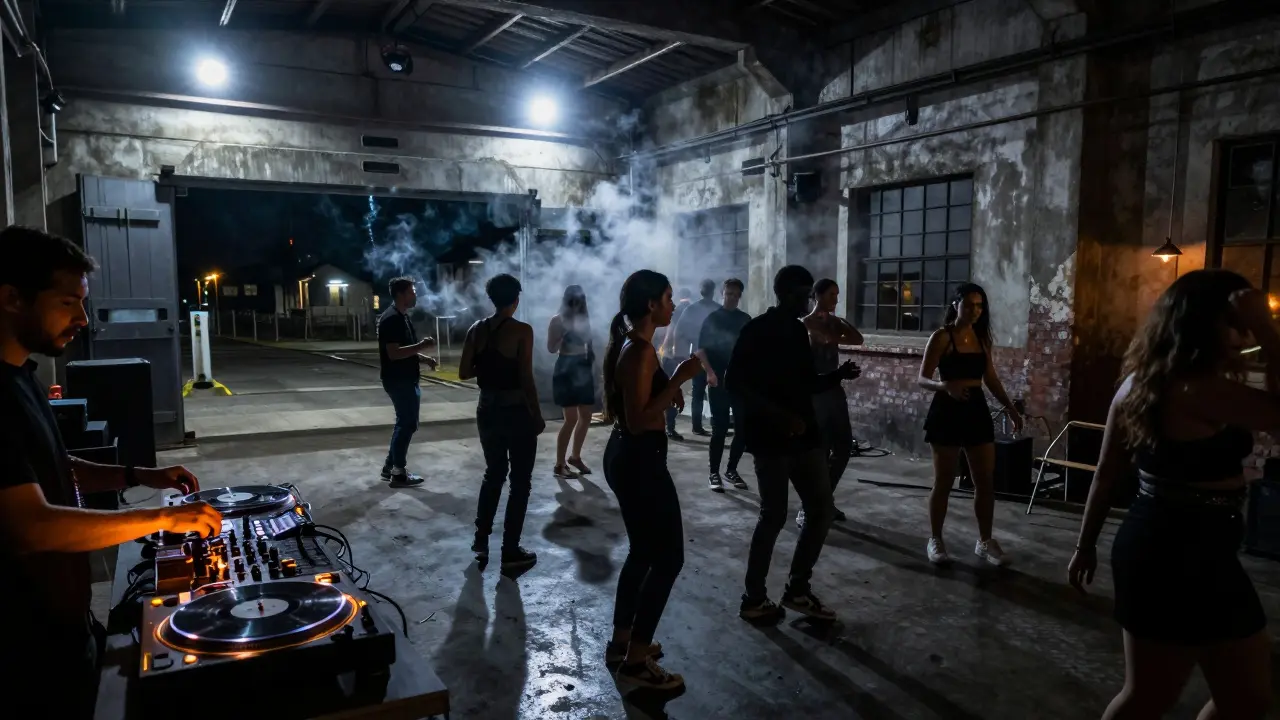
Head east to Zona Tortona, where industrial lofts have turned into experimental venues. This is where Milan’s younger crowd goes for live electronic music, art installations, and pop-up parties. The rules? No dress code, no expectations. Just show up, find the right door, and follow the bass.
For pure club energy, Corso Como is your best bet. It’s not just a street-it’s a whole scene. Bars like La Scala and Lebowski spill onto sidewalks, and by 1 a.m., you’ll be elbow-to-elbow with Milanese fashion models, DJs, and tourists who know exactly where to be. The vibe? High-end casual. Think designer jeans, leather jackets, and zero sweatpants.
And if you want something wilder, make your way to Porta Venezia. This multicultural neighborhood has a grittier, more authentic energy. Thai karaoke bars, Afrobeat clubs, and queer-friendly spaces like Il Covo keep the party going till 4 a.m. It’s where you’ll hear music from Lagos to Bangkok, and no one cares if you’re from out of town.
Clubbing like a Milanese: What to expect inside
Most clubs in Milan open at midnight and don’t really get going until 1 a.m. or later. The key? Patience. Unlike London or Berlin, Milan doesn’t rush. The music starts slow-jazz, soul, or deep house-and builds into a full-on dance floor by 2 a.m.
Top clubs like La Ferrovia and Alcatraz have strict door policies. You won’t get in with a group of five guys in hoodies. But walk in with a balanced mix of men and women, dressed sharp, and you’re golden. Cover charges range from €10 to €25, depending on the night. VIP tables? They’re real, but only worth it if you’re celebrating something. Otherwise, stick to the main floor. The energy is better, and you’ll meet more people.
Don’t be fooled by the name-La Ferrovia isn’t a train station. It’s a converted railway warehouse with industrial lighting, concrete floors, and a sound system that shakes your ribs. DJs here aren’t just playing tracks-they’re curating sets that last six hours. If you’re into techno, house, or experimental beats, this is your temple.
Bars that don’t look like bars
Milan doesn’t do ordinary. Some of the best places to drink don’t even look like bars.
Bar del Fico sits inside a courtyard behind a nondescript door in Brera. You’ll find it by the smell of fresh basil and espresso. No menu. Just ask the bartender what’s good tonight. They’ll make you something with local gin, bitter orange, and a hint of rosemary. It costs €12. Worth every euro.
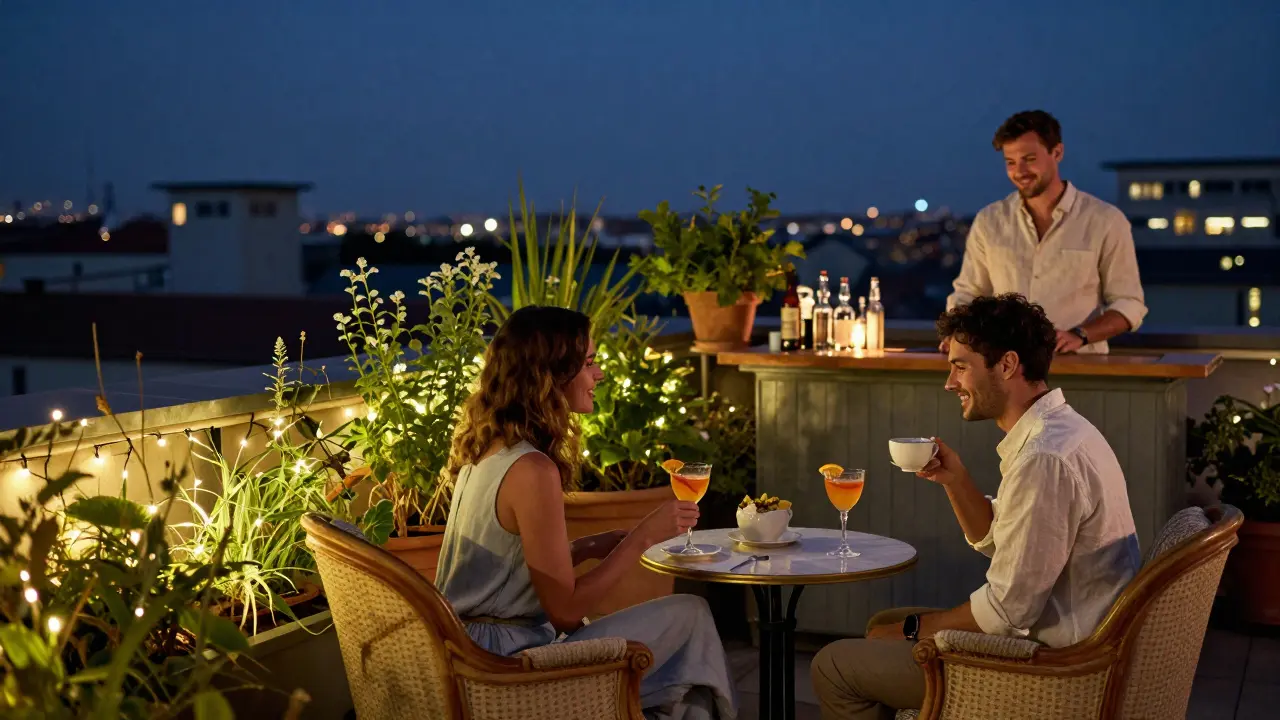
Le Jardin Secret is hidden on the fifth floor of a building near Piazza Cordusio. You take an elevator that doesn’t have a button for the top floor. The host whispers a password. Inside? A rooftop garden with string lights, vintage armchairs, and cocktails served in teacups. It’s romantic, quiet, and impossible to find unless someone tells you.
And then there’s La Bodeguita del Medio-a tiny Cuban bar with a neon sign and a jukebox that only plays 1970s salsa. The owner, Luigi, is from Sicily but speaks Spanish like he was born in Havana. He’ll pour you a mojito, tell you about his time in Mexico City, and then ask if you’ve tried the local vermouth. You’ll leave with a new friend and a new favorite drink.
What to wear: The unspoken dress code
Milan doesn’t have a strict dress code, but it has a very clear expectation: look like you care. You don’t need to wear Armani. But you do need to look put together.
Men: Skip the sneakers with socks. Go for clean loafers, slim-fit jeans, and a button-down shirt-even if it’s unbuttoned. A leather jacket adds instant credibility. No baseball caps. Ever.
Women: Heels aren’t required, but something that makes you feel confident is. A little black dress, tailored trousers, or even a stylish jumpsuit works. Avoid anything too casual-no hoodies, no flip-flops, no oversized sweatshirts. The city’s fashion DNA runs deep. You’ll blend in better if you look like you belong.
Pro tip: If you’re wearing a designer logo, you’re probably overdressed. Milanese style is about subtlety, not branding.
Drinks you must try
Milan doesn’t just serve wine and espresso. It invented a whole culture of aperitivo.
Aperitivo isn’t just a drink-it’s a ritual. Between 6 p.m. and 9 p.m., bars offer free snacks with any cocktail. Think olives, mini sandwiches, cheese platters, and even hot pasta. The most famous spot? Bar Basso again. Order a Negroni, and you’ll get a full buffet. It’s the best value in the city.
Try Spritz-Aperol or Campari, Prosecco, soda water, and an orange slice. It’s light, bitter, and perfect for warm nights. Order it with a side of crostini and you’re set.
And if you’re feeling adventurous, ask for Amaretto Sour made with local amaretto. It’s sweeter than the American version, with a hint of almond and a smooth finish. You’ll find it in the back of Bar Luce, a hidden gem inside the Fondazione Prada.
Timing matters: When to go and when to skip
Friday and Saturday nights are packed. But if you want to experience Milan’s nightlife like a local, go on a Wednesday or Thursday. The crowds are smaller, the drinks are cheaper, and the DJs are more experimental.
Most clubs don’t even open before midnight. Arrive too early, and you’ll be the only one there. Arrive too late-after 2 a.m.-and you’ll miss the peak energy. The sweet spot? Between 12:30 and 1 a.m.
And don’t forget: Milanese nightlife ends around 4 a.m. Not because the city shuts down, but because people have work the next day. If you’re still going at 5 a.m., you’re probably not in the right place.
What to avoid
Stick to the well-known spots. Tourist traps near the Duomo or along Corso Buenos Aires are overpriced and underwhelming. You’ll pay €20 for a basic gin and tonic that tastes like watered-down syrup.
Don’t follow Instagram influencers blindly. Some of the most popular "hidden" bars are just marketing gimmicks with fake lines and overpriced drinks. Ask a local. Or better yet, wander. The best discoveries happen when you turn down a street you didn’t know existed.
And never, ever try to haggle over cover charges. It’s rude. If you don’t like the price, leave. There’s always another bar.
Final tip: The Milanese way
Milan’s nightlife isn’t about drinking as much as you can. It’s about savoring the moment. Slow drinks. Good music. Real conversation. A shared laugh over a plate of cheese.
Don’t rush. Don’t chase trends. Just show up, stay curious, and let the city guide you. You’ll leave with more than memories-you’ll leave with a new way to experience a night out.
What’s the best night to go out in Milan?
Wednesday and Thursday nights are the best for a true Milanese experience. Clubs are less crowded, DJs take more risks with their sets, and drinks are often cheaper. Friday and Saturday are great if you want to see the full energy of the city, but expect lines, higher prices, and a more tourist-heavy crowd.
Do I need to book a table to get into Milan clubs?
Not usually. Most clubs don’t require reservations unless it’s a special event or you’re going with a large group. Walk-ins are welcome, especially if you dress well and arrive between 12:30 a.m. and 1 a.m. VIP tables are overrated unless you’re celebrating something big-stick to the main floor for better vibes and more authentic interactions.
Is Milan nightlife safe for solo travelers?
Yes, Milan is one of the safest European cities for solo travelers at night. The streets are well-lit, public transport runs until 1:30 a.m., and most clubs have security staff. Stick to the main nightlife zones-Brera, Corso Como, Porta Venezia-and avoid isolated areas after midnight. Always keep your belongings close, and don’t accept drinks from strangers.
What’s the average cost of a night out in Milan?
A typical night out costs between €30 and €60. That includes a couple of cocktails (€12-€15 each), a cover charge (€10-€25), and maybe a snack or two. Aperitivo hours (6-9 p.m.) are the best deal-you can eat a full meal for the price of one drink. Skip the tourist bars near the Duomo-they charge double for the same drink.
Can I use English in Milan nightspots?
Yes, most bartenders and club staff speak English, especially in the main nightlife areas. But making an effort to say "Buonasera," "Grazie," or "Un Aperol Spritz, per favore" goes a long way. Locals appreciate it, and you’ll often get better service-or even a free snack.