
Discovering Milan’s Hidden Party Scene
You might know Milan for its runway shows or high-end designers, but the city holds a secret that locals rarely share with first-timers. Once the sun sets over the Duomo, the pace shifts dramatically. The fashion capital transforms into a playground where industrial warehouses turn into dance floors and historic alleyways host intimate jazz sessions. If you are planning a trip soon, you need to know that the scene changes fast. Bars open earlier, and clubs close later than anywhere else in Northern Europe.
Finding the right spot depends entirely on what kind of night you want. Do you prefer sipping wine while watching the sunset in a bustling square, or standing in line for hours to enter an exclusive basement club playing techno? Understanding these nuances saves you from ending up in a tourist trap charging fifty euros for warm beer. This guide cuts through the noise to show you exactly where the action happens right now.
The Anatomy of an Italian Evening
Before hunting for specific venues, you need to understand how the timeline works here. Dinner rarely starts before 8:30 PM. That means the real party doesn’t kick off until 11:00 PM or midnight. Arriving at a main nightclub at 9:00 PM means seeing empty rooms and DJs setting up their decks.
The Aperitivo is the traditional evening ritual where locals gather between 6:00 PM and 9:00 PM for drinks and light food. It serves as the warm-up for the rest of the night.
A typical routine involves grabbing a spritz and some buffet snacks at an aperitivo bar, then moving to a "pre-party" location around 10:30 PM. By the time you reach the main club, the energy is already at peak intensity. Ignoring this schedule leads to disappointment when you expect a full dance floor during quiet hours.
Top Neighborhoods for Different Vibes
Milan is massive, and geography dictates the atmosphere. You won’t get the same experience on the west bank as you would downtown. Knowing which area to target saves money on metro rides and maximizes your fun.
Zona Isola: The Trendiest Spot
This district near the Garibaldi train station has exploded in popularity recently. It is less about old-school elegance and more about cutting-edge design. Here, you find spaces converted from old factories into multi-use cultural hubs. The crowd skews younger, creative, and international. Street art covers almost every wall, giving the streets an electric feel even before entering a venue.
Alcatraz Milano is a legendary underground warehouse complex located in Porta Nuova that features multiple dance floors and outdoor terraces. Club Alcatraz
Inside Alcatraz, you can find three distinct areas ranging from house to techno. The sound system is top-tier, calibrated specifically for deep bass frequencies. Expect to pay around 20 euros for entry, though guest lists can bypass this fee. Security checks bags, so keep luggage small. The layout encourages wandering; sometimes you drift from a chill lounge to a heavy pounding room without realizing it.
Navigli: Canals, Boats, and Crowds
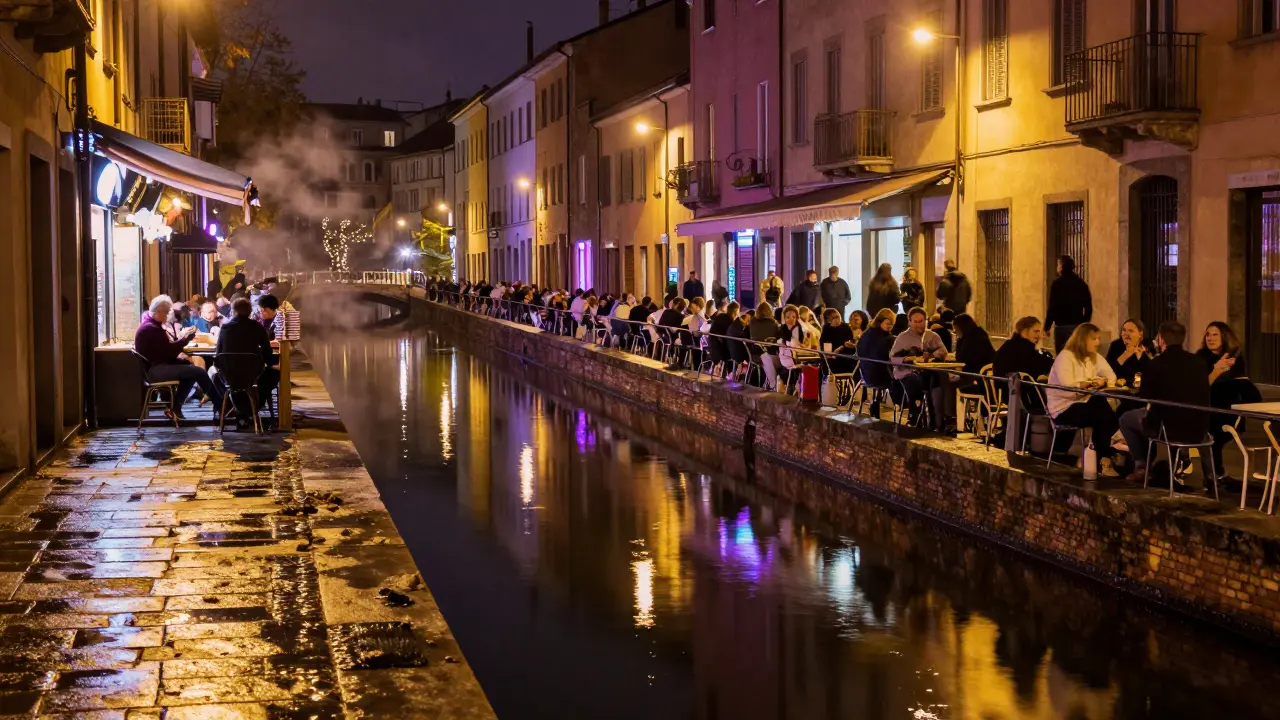
If you prefer canal-side dining mixed with dancing, the Navigli district offers a picturesque alternative. The narrow waterways reflect neon lights from bars spilling onto the sidewalks. This area feels more communal. People sit outside, smoking cigarettes and chatting loudly in groups. It is perfect for starting your night but less ideal for serious clubbing past 2:00 AM.
La Fabrica, often cited as the heart of the Navigli scene, draws crowds for its eclectic playlist. However, be prepared for tighter crowds compared to larger districts. Space is premium here, leading to longer lines during summer weekends when weather allows sitting outdoors. Prices are generally higher due to the scenic view, especially for table service which commands a cover charge upwards of 30 euros per person.
Corso Como: High Fashion and Late Nights
For those seeking luxury, the Galleria and surrounding streets host venues catering to an upscale demographic. This is the place to see and be seen. Dress codes matter strictly here; worn-out sneakers and baggy clothes often result in denied entry.
Music tends to be commercial pop or hip-hop rather than niche electronic sounds. Service is impeccable, waiters circulate constantly, and cocktails are crafted with precision. While not for everyone, it provides a glimpse into Milan’s elite social circle. Prices reflect this positioning, with bottles ranging from hundreds to thousands depending on brand rarity.
Comparing the Major Clubs
| Venue Name | Music Style | Cover Charge | Dress Code | Best For |
|---|---|---|---|---|
| Alcatraz Milano | Tech/House | 15-25 EUR | Smart Casual | Tech Lovers |
| Puccini Disco | Disco/Italo Dance | 20-30 EUR | Retro Chic | Socializing |
| Fabbrica del Vapore | Indie/Rock | 10-15 EUR | Casual | Alternative Scenes |
| Toot Shandy | Retro/Funk | 20-35 EUR | Glamorous | Old School Cool |
| Velvet Club | Deep House | Free | Relaxed | Intimate Atmosphere |
The Golden Era of Retro Disco
Milan still clings to its love affair with classic disco rhythms. Unlike London or Berlin where new beats dominate, here you hear the ghosts of Saturday Night Fever echoing in renovated basements. Puccini Disco is arguably the longest-running institution of this kind. Open since the 70s, it has survived trend cycles by sticking to its core identity.
The lighting rigs are vintage, flashing gold strobes across mirrored ceilings. Dancers move to familiar tracks, creating a shared nostalgia that transcends age gaps. You might see grandparents alongside teenagers. Entry is slightly pricier than average because the exclusivity factor is high. Locals reserve tables weeks in advance, particularly for Valentine’s Day or New Year’s Eve.
Fabrica Del Vapore, located in a repurposed cotton factory, takes a different angle. It focuses on indie rock and alternative genres. The space retains raw concrete walls and exposed pipes, emphasizing the industrial history of the city. This contrast makes the live performances hit harder. Ticketed entry often includes access to exhibitions happening during the day, turning the venue into a cultural center rather than just a bar.
Practical Logistics for Tourists
Transportation gets tricky after midnight. The Metro system shuts down around 11:30 PM on weekdays and slightly later on Fridays and Saturdays. Relying on taxis requires patience unless you book ahead. Apps work, but surge pricing hits hard when everyone exits the clubs simultaneously.
Budget planning is essential. Most places do not accept cash exclusively anymore, but carrying small bills helps with tips or smaller purchases where machines are broken. Cover charges are almost always mandatory, even if you arrive early. Some spots offer happy hour deals, but these vary wildly. Always check social media pages the morning of your visit for updates on opening times or special guests.
One critical tip: carry a European-style power adapter if you plan on using outlets to charge devices while waiting for a table. Plugs in Italy are Type C or F, distinct from US standards. Low battery mid-party ruins the memory capture capability, especially when trying to document outfits or friends enjoying the moment.
Safety and Etiquette Norms
Safety in Milan’s nightlife hubs is generally reliable. Police presence is visible in central areas like Duomo and Brera. However, pickpocketing remains a persistent issue near crowded entrances. Keep phones zipped away from pockets. Staff at major clubs scan IDs rigorously, refusing entry to anyone appearing intoxicated before they even get inside.
Etiquette matters deeply here. Tipping isn’t standardized but rounding up or leaving a few coins is appreciated. Being loud or aggressive in queues results in instant removal. Respecting personal space is valued more than in American cities. Eye contact is common, but physical intrusion is rare unless you provoke conflict.
Smoking laws are strict. You cannot smoke indoors anymore, forcing smokers outside. Winter nights make this difficult, so bring a jacket even if the indoor climate control keeps you warm. Many venues designate smoking zones near entrances which can get cramped, adding another layer of logistical friction to the experience.
Summer Outdoor Seasonal Changes
When temperatures rise from May through September, the entire strategy shifts outdoors. Rooftop bars replace dark clubs. Places like High Club on Via della Spiga utilize glass enclosures to maintain warmth during cooler spring evenings while letting fresh air flow in summer. These spots require reservation days ahead, as seating capacity drops significantly when moving furniture to rooftops.
Lakefront parks also host pop-up stages. During July and August, large crowds migrate to nearby Lake Garda for festivals. Within the city limits, Parco Sempione organizes free concerts, offering a relaxed way to enjoy music without spending heavily on drinks. Food trucks set up alongside, providing affordable options compared to high-end club menus.
Frequently Asked Questions About Milan Nightlife
What time do clubs close in Milan?
Most clubs operate until sunrise, typically between 5:00 AM and 6:00 AM. Some venues may close earlier at 4:00 AM depending on local regulations or weekend schedules.
Is ID required to enter clubs?
Yes, security checks identification strictly for everyone regardless of age appearance. Passports or EU driver licenses are accepted forms of valid ID.
How much does a night out cost on average?
Expect to spend between 50 to 100 euros per person including drinks, cover charges, and taxi fare if you do not book a bottle service package beforehand.
Can I walk between venues safely?
Main areas like Navigli and Brera are safe walking routes, though police advise taking taxis after midnight for solo travelers to avoid isolated streets.
Are there vegetarian options at clubs?
Late-night menus usually feature pizza slices or basic snacks, but dedicated veggie dishes are rare past 1:00 AM unless it is a festival event.