
Working as an escort in London isn’t just about showing up and getting paid. It’s a high-stakes job where your safety, reputation, and mental health depend on the choices you make every single day. The city moves fast, the clients vary wildly, and the risks are real-especially if you’re new or operating without a clear plan. This isn’t a fantasy guide. It’s a practical, no-fluff survival manual based on real experiences from people who’ve been in the trenches and made it out without getting hurt.
Know the Legal Ground Before You Step Out
Prostitution itself isn’t illegal in the UK, but almost everything around it is. Soliciting in a public place, kerb crawling, running a brothel, or advertising sexual services online can land you in serious trouble. The law doesn’t protect you if you break these rules, and police won’t treat you as a victim if you’re violating them. That’s why most experienced escorts in London work independently, use private spaces, and never meet clients in public parks, alleys, or unregulated hotels.
Advertising on sites like OnlyFans, Instagram, or personal websites is common-but don’t use explicit language or images that trigger automated filters. Use coded terms like "companion," "evening engagement," or "luxury experience." Avoid mentioning services directly. The goal isn’t to be clever-it’s to stay off radar. If a platform removes your profile, don’t fight it. Move to another. One site down isn’t the end; a police raid is.
Screening Clients Isn’t Optional-It’s Your Lifeline
You’re not a hotel receptionist. You’re not a taxi driver. You’re a professional who deals with strangers who may have violent, obsessive, or predatory tendencies. Screening isn’t about being rude-it’s about staying alive.
Start with a video call before any meeting. Ask for full name, location, and a clear selfie holding today’s newspaper or a handwritten note with your name and the date. Don’t accept vague answers like "I’m just a businessman" or "I don’t do video calls." Walk away. That’s not a red flag-it’s a siren.
Use free tools like Reverse Image Search to check their profile pictures. If the face shows up on a dating site, LinkedIn, or a different name, that’s a red flag. Google their name with "arrest," "complaint," or "scam." If nothing comes up, that doesn’t mean they’re clean-but if something does, you already have your answer.
Always share your location and client details with a trusted friend. Send them the client’s name, address, and estimated return time. Set a check-in alarm for 15 minutes after the meeting ends. If you don’t respond, they call 999. No exceptions.
Location Matters More Than You Think
London isn’t one city-it’s dozens of neighborhoods with wildly different energy. Avoid meeting clients in areas like Brixton, Peckham, or parts of East London unless you know the area inside out. Stick to well-lit, busy zones: Mayfair, Chelsea, Kensington, or areas near major Tube stations like Victoria, Paddington, or King’s Cross.
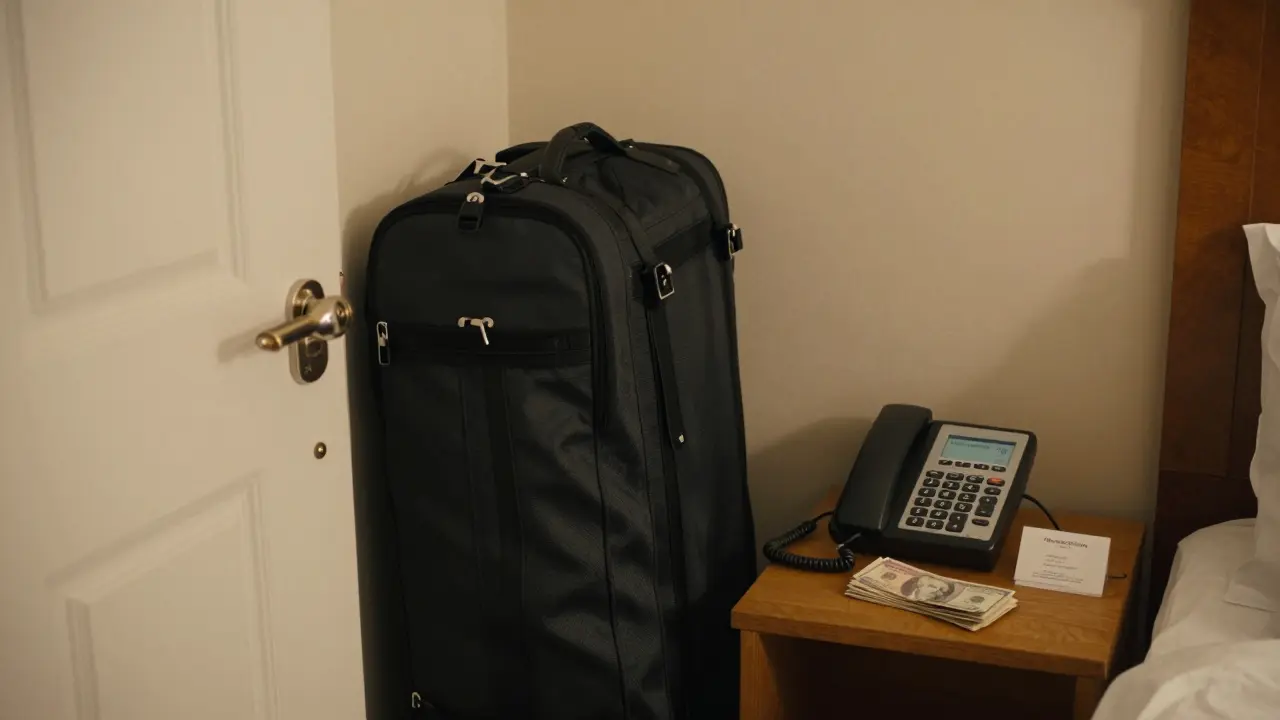
Book rooms in hotels that allow private check-ins without ID verification. Places like The Z Hotel, CitizenM, or independent boutique hotels are often more discreet than chains. Never go to a client’s home unless you’ve vetted them for months and have a solid safety protocol. Even then, keep your bag packed, your phone charged, and your exit plan ready.
Use apps like Google Maps to scout the route ahead. Know where the nearest police station, 24-hour pharmacy, or convenience store is. If you’re in a hotel room, always lock the deadbolt, use the chain, and keep the door slightly ajar when you’re alone with someone. Don’t be polite. Be prepared.

Money Rules-Never Compromise on It
Get paid before anything happens. Always. Cash is still king in this industry. If a client says they’ll pay after, they’re lying. If they want to pay via bank transfer, Venmo, or PayPal, that’s a trap. Those services can reverse payments, freeze accounts, or report you. Cash is final. No disputes. No claims. No regrets.
Set your rates clearly and stick to them. Don’t negotiate on the spot. If they try to lowball you, say: "My rate is £X. If that doesn’t work, I’ll reschedule for another time." Walk out if they push. You’re not desperate. You’re in control.
Keep a small emergency fund-£200 minimum-separate from your earnings. Use it for taxis, last-minute hotel stays, or legal help if something goes wrong. Never mix your escort income with personal bills. Open a separate bank account under a pseudonym if you can. Protect your identity.
Build a Support Network-You’re Not Alone
Most escorts in London work alone. That’s dangerous. You need people you can trust: a friend who knows your schedule, a mentor who’s been doing this for years, a lawyer who understands sex work laws, or a therapist who doesn’t judge you.
Join private online groups like "London Escorts Network" or "UK Companions Collective" on Discord or Facebook. These aren’t public forums-they’re encrypted, invite-only spaces where people share real-time alerts: "Client X tried to record me," "Hotel Y called the cops," "Don’t go to Z address." You’ll learn more from these than any blog.
Therapy isn’t a luxury here-it’s survival. The emotional toll of this work is real. You’re dealing with loneliness, stigma, trauma triggers, and constant performance pressure. Find a therapist who specializes in sex work or trauma-informed care. Organizations like the English Collective of Prostitutes offer free, confidential support.
Protect Your Identity Like Your Life Depends on It
Assume everything you post online is searchable forever. Your real name, your face, your voice, your social media-all of it can be used against you. Use a stage name. Never link your escort profile to your personal Instagram, LinkedIn, or Facebook. Delete old posts that show your real name, home address, or workplace.
Use a burner phone for work. Get a SIM card with no ID required. Use Signal for messaging-it’s encrypted and doesn’t store metadata. Never use your personal phone for client communication. Even if you think you’re safe, someone could hack it, steal your data, or leak it.
Don’t use your real photo. Use a professional headshot that doesn’t show your eyes clearly. Avoid tattoos, piercings, or distinctive features that can be used to identify you later. If you ever want to leave this line of work, your digital footprint is the biggest obstacle. Clean it now, before it’s too late.
Exit Strategies Are Part of the Plan
Most people don’t do this forever. Life changes. Health changes. The law changes. You might want out next month-or next year. But leaving isn’t easy. You need a plan.
Start saving now. Even £50 a week adds up. Build skills: learn copywriting, virtual assisting, graphic design, or digital marketing. Take free courses on Coursera or FutureLearn. Build a portfolio. Create a LinkedIn profile under your real name, but keep it clean and professional.
If you decide to leave, contact organizations like The Sophie Project or The National Ugly Mugs Scheme. They help escorts transition out of the industry with housing, job training, and legal support. You don’t have to do it alone. And you don’t have to stay in a job that drains you.
Final Rule: You Deserve Respect-Not Just Payment
This work doesn’t make you less than. It doesn’t define you. You’re not a statistic. You’re not a risk. You’re a person making choices in a system that doesn’t protect you. The most dangerous thing you can do is believe the lies-that you’re invisible, that you don’t matter, that you have to take whatever’s offered.
You have power. You have boundaries. You have the right to say no. You have the right to walk away. You have the right to be safe.
Stay smart. Stay sharp. Stay alive.
Is it legal to be an escort in London?
Yes, selling sexual services is not illegal in the UK. But many related activities are-like soliciting in public, running a brothel, or advertising sexual services online. Most escorts operate independently using private spaces and coded language to avoid legal trouble. The law protects you only if you stay within its boundaries.
How do I screen clients safely?
Always do a video call first. Ask for a full name, a selfie holding today’s newspaper, and their location. Use reverse image search to check their photos. Google their name for any red flags. Never meet someone who refuses to be screened. Your safety isn’t negotiable.
Should I meet clients at their place?
Never. Not even once. Even if they seem trustworthy, you have no control over the environment. You don’t know who else is in the building, what’s behind the doors, or if they’ve recorded you. Always meet in a hotel room you book yourself, in a safe, well-lit area.
What should I do if a client becomes violent?
Your priority is getting out alive. Don’t argue. Don’t fight. Use your emergency plan: call 999, trigger your check-in alarm, or run to the nearest public place. Afterward, report it to a trusted friend and consider reporting to the National Ugly Mugs Scheme. They track dangerous clients and help protect others.
Can I use my real name or photos online?
No. Using your real name, face, or personal details online puts you at risk of doxxing, stalking, or being tracked by ex-partners, employers, or family. Use a stage name, avoid identifiable features in photos, and never link your escort profile to your personal social media accounts.
How do I leave this line of work?
Start saving money now-even small amounts. Build skills through free online courses. Reach out to organizations like The Sophie Project or the English Collective of Prostitutes. They offer job training, housing help, legal advice, and emotional support. You don’t have to leave alone.
If you’re reading this, you’re already thinking smarter than most. Keep going. Stay safe. You’ve got this.