
Paris doesn’t shut down when the sun goes down-it just changes its outfit. One night you’re sipping champagne in a velvet-lined jazz lounge where the piano player knows every song you’ve ever loved. The next, you’re standing shoulder-to-shoulder in a basement bar in Belleville, laughing with strangers over cheap wine and fried potatoes, the kind of place where the bartender doesn’t ask your name but remembers your drink. Paris nightlife isn’t one thing. It’s a hundred things, layered like a perfect croissant: crisp on the outside, soft and unpredictable inside.
Swanky: Where the Lights Are Low and the Prices Are High
If you’re looking for Paris at its most polished, head to the 8th or 16th arrondissement. Places like Le Perchoir or Le Baron don’t just serve drinks-they serve an experience. Dress codes aren’t suggestions here. They’re gatekeepers. A wrinkled shirt or sneakers can get you turned away, no matter how rich your wallet is. The crowd? Mostly French professionals in their 30s and 40s, international visitors with expense accounts, and the occasional celebrity who knows how to disappear in plain sight.
These spots aren’t loud. They’re curated. Music is jazz, soul, or ambient electronic-just enough to feel alive but not so much that you can’t hear the person across the table. Cocktails cost €18 and come in crystal glasses with hand-chipped ice. The bartenders have trained for years. They know the difference between a Negroni and a Boulevardier, and they’ll make you one without asking if you want it stirred or shaken. You’re not just drinking. You’re performing a role, and everyone in the room is playing along.
Bohemian: The Hidden Gems Where the Real Paris Lives
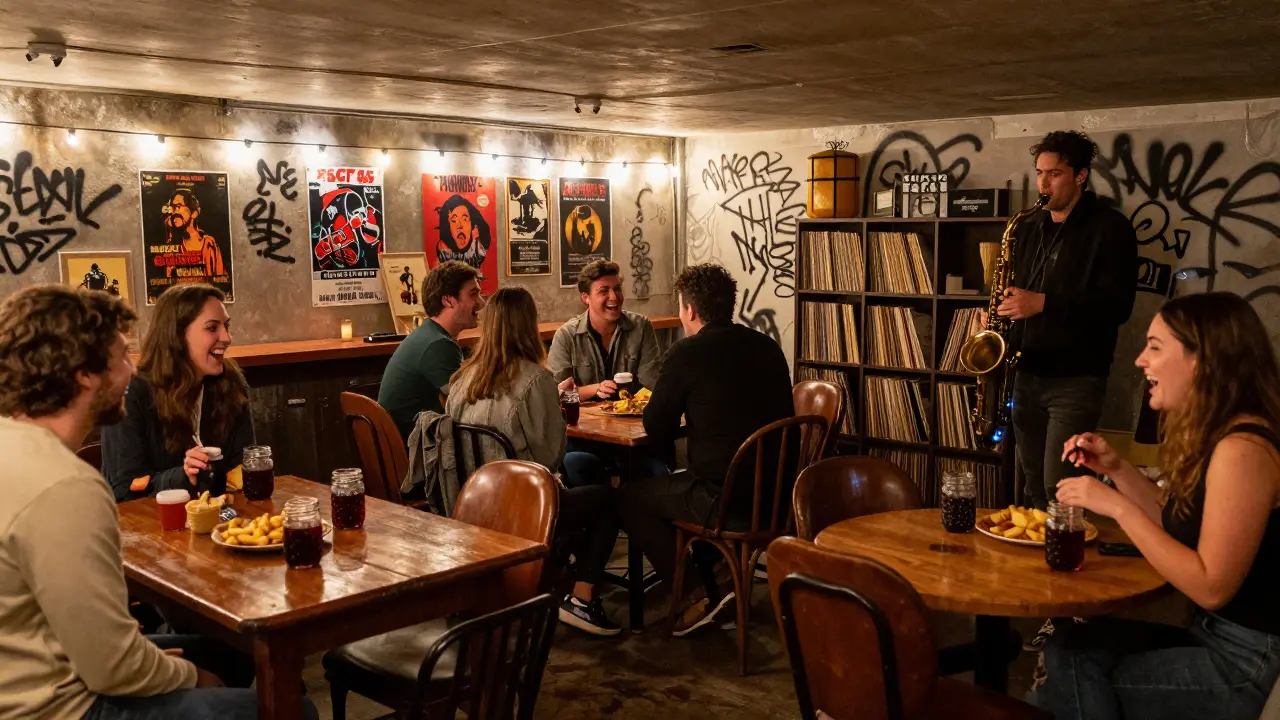
But if you want to see Paris without its makeup, go east. To the 10th, the 11th, the 20th. Places like Le Comptoir Général or La Belle Hortense feel like someone’s living room-if that someone had a massive collection of vintage books, mismatched chairs, and a sound system that plays everything from Congolese rumba to 90s hip-hop.
No one checks your shoes here. You can come in jeans, a hoodie, or even pajamas if you feel like it. The wine is served in mason jars. The beer comes in cans. The music is loud enough to make you dance, but not so loud that you can’t talk to your friends. These spots don’t advertise. You find them through word of mouth, a Instagram post from someone you trust, or just by wandering until you smell something good-roasted coffee, grilled cheese, or incense burning in a corner.
These bars aren’t about status. They’re about connection. You’ll end up talking to someone who moved here from Senegal last year, or a retired librarian who still plays saxophone on weekends. You’ll leave with a new playlist, a new friend, and maybe a napkin with a phone number scribbled on it.
Clubbing: Where the Bass Drops and the Night Gets Wild
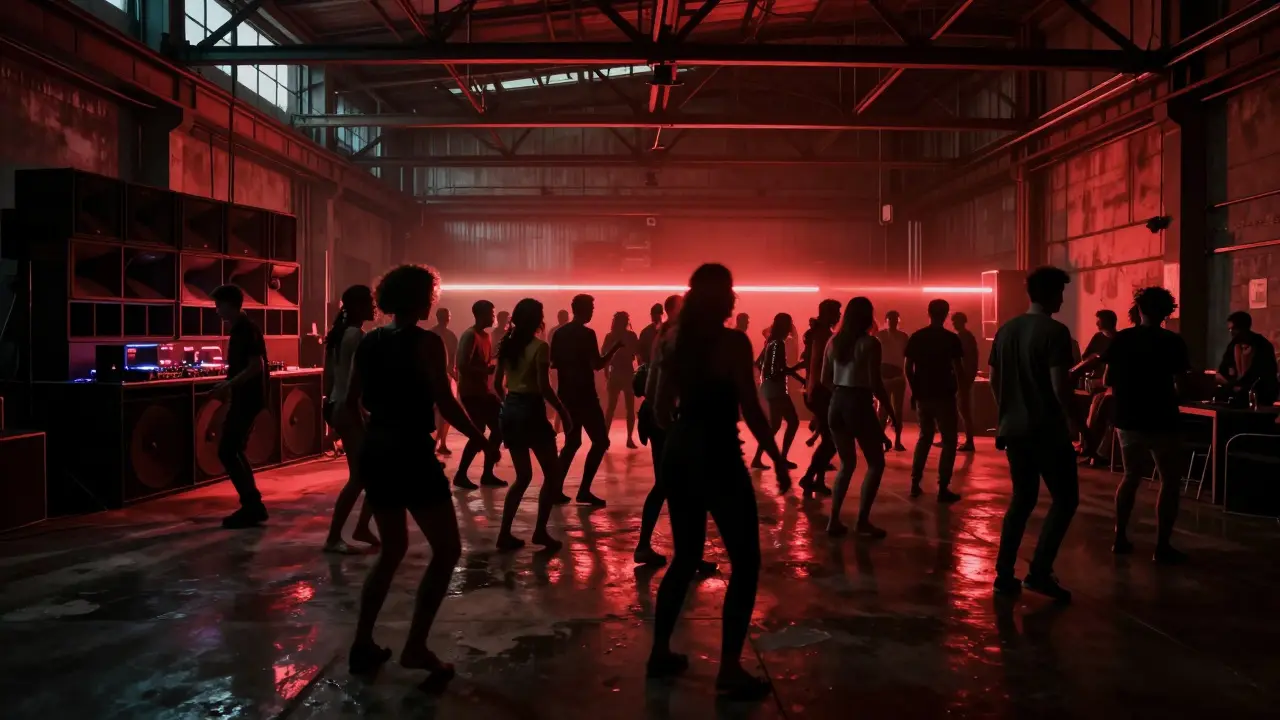
Paris has clubs that rival Berlin and Ibiza, but they don’t scream it. Concrete in the 13th arrondissement is a former industrial warehouse turned into a temple of techno. It opens at 11 p.m. and doesn’t close until 8 a.m. The crowd? Mostly locals, a mix of artists, students, and engineers who come here to forget their day jobs. The sound system? Built by engineers who tweak it like a Formula 1 engine. The lighting? Just enough to see your friend’s face, but not enough to take a decent photo.
Then there’s Rex Club, a legend since the 90s. It’s not fancy. It’s not loud for the sake of being loud. It’s precise. House, techno, minimal-each night has a theme, and the DJs know exactly what the room needs. You won’t find bottle service here. You won’t find VIP sections with velvet ropes. You’ll find people dancing like no one’s watching-even though everyone is.
Entry is €15. You pay at the door. You don’t reserve. You just show up. If you’re lucky, you’ll get in. If you’re not, you’ll wait outside and talk to the people in line. That’s part of the ritual.
Late-Night Eats: The Real Fuel of Paris Nightlife
No matter where you are in Paris at 2 a.m., you’ll find someone selling something delicious. It’s not just a snack-it’s a cultural institution. Les Deux Magots might close early, but Le Petit Véfour in Montmartre stays open until 3 a.m. serving warm croissants and strong espresso. In the 18th, you’ll find La Crêperie de Josselin with lines out the door, people eating buckwheat pancakes with ham and cheese at 3 a.m. like it’s normal.
And then there’s the kebab. Not the fast-food kind. The real one. Chez Camille in the 13th has been serving the best kebab in Paris since 1982. The meat is slow-roasted. The sauce is homemade. The bread is fresh. It costs €9. You eat it standing up, grease dripping down your fingers, laughing with the guy next to you who just got out of a club and doesn’t care what you do for a living.
This is where Paris nightlife ends-not with a cocktail, but with a bite. Because after all the music, the dancing, the talking, you’re still hungry. And Paris always feeds you.
When to Go: Timing Is Everything
Parisians don’t go out at 9 p.m. They don’t even think about it. Dinner starts at 8. Drinks start at 10. The real night begins after midnight. If you show up at a bar at 10:30, you’ll be one of the first. By 1 a.m., it’s buzzing. By 2 a.m., it’s full. And by 3 a.m., the real regulars are just getting started.
Weekends are predictable-crowded, loud, expensive. But if you want something quieter, go on a Tuesday or Wednesday. The clubs are still open. The bars are still alive. But the energy shifts. It’s less about being seen, more about being there. You’ll find locals who’ve been coming to the same place for 20 years. You’ll hear stories. You’ll taste something new. You’ll realize you’re not just visiting Paris at night-you’re living it.
What to Wear: No Rules, Just Vibes
Forget what you’ve heard about Parisians being snobby. They care about how you carry yourself, not what you’re wearing. In a swanky lounge, you don’t need a suit. You just need clean shoes and a shirt that doesn’t look like you slept in it. In a basement bar? Flip-flops are fine. A leather jacket? Even better.
Parisians notice details. A well-fitted coat. A pair of boots that have been worn, not just bought. A scarf tied just right. It’s not about brands. It’s about intention. If you look like you put thought into your outfit-even if it’s just jeans and a t-shirt-you’ll blend in. If you look like you’re trying too hard, you’ll stand out. And not in a good way.
Final Tip: Don’t Rush It
Paris nightlife isn’t a checklist. It’s not about hitting five clubs in one night. It’s about letting the night unfold. One drink. One conversation. One song that makes you stop and listen. You don’t need to know the DJ’s name. You don’t need to take a photo. You just need to be there.
Some nights, you’ll leave at 2 a.m. feeling tired but happy. Other nights, you’ll walk home at 5 a.m., the city quiet around you, the taste of wine still on your tongue, the echo of laughter still in your ears. That’s Paris. Not perfect. Not polished. Just real. And that’s why you keep coming back.
Is Paris nightlife safe at night?
Yes, most areas popular with tourists and locals are safe after dark, especially in the 1st, 6th, 7th, 8th, and 11th arrondissements. Stick to well-lit streets, avoid isolated alleys late at night, and keep your belongings close. Like any big city, petty theft can happen-especially near metro exits or crowded bars. Trust your gut. If a place feels off, walk away.
Do I need to speak French to enjoy Paris nightlife?
Not at all. Most bartenders and club staff in tourist areas speak English. But learning a few basic phrases-"Un verre, s’il vous plaît," "Merci," "Comment ça va?"-goes a long way. In smaller, local bars, speaking even a little French opens doors. People appreciate the effort. You’ll get better service, friendlier chats, and sometimes even a free shot.
What’s the best time to visit Paris for nightlife?
Late spring (May-June) and early fall (September-October) are ideal. The weather is mild, outdoor terraces are open, and the city feels alive without being packed. Summer (July-August) is busy but energetic, with open-air concerts and rooftop parties. Winter nights are quieter but more intimate-perfect for cozy jazz bars and candlelit wine spots.
Are there any free nightlife options in Paris?
Yes. Many neighborhoods host free live music nights-especially in the 10th and 19th arrondissements. Check local listings like Pariscope or Le Bonbon for events. Some bars offer free entry before midnight if you arrive early. The Canal Saint-Martin area often has impromptu street performances. And don’t miss the free jazz sessions at Le Caveau de la Huchette on Sundays-it’s a hidden gem.
Can I go clubbing alone in Paris?
Absolutely. Paris is one of the most solo-traveler-friendly cities for nightlife. Many bars and clubs have communal seating. You’ll find people sitting alone, reading, or talking to the bartender. Clubs like Concrete and Rex Club have a strong culture of individual expression. You won’t be stared at. You’ll be ignored in the best way-left to enjoy the music and the moment.